01 / GROUND SYSTEMS◈
Multi-Domain Vehicle Basics
Wheel and track mechanics, forces, ground stability, energy ledgers, controls and engineering trade-offs.
Learn the science of land, air, water, space and responsible discovery. Explore five research tracks, interactive questions and the Aurora engineering thesis with Captain J3 and the Quest Club guide team.

Choose the uncrewed Mk-I drone demonstrator or the Mk-H HOPE human-centered concept. Fit more than 120 component groups, select metals and polymers, pass 28 safety-and-science gates, and see the model assemble as you learn.
Each track starts with the idea, moves into a safe classroom activity, asks you to check your understanding, and ends with evidence you can explain. Each course outline can be explored here free of charge.
Wheel and track mechanics, forces, ground stability, energy ledgers, controls and engineering trade-offs.
Airflow and lift, weather, Earth observations, sensors, privacy and a safe no-flight capstone.
Buoyancy, density, trim, pressure, safe floating experiments and environmental observations.
NASA datasets, scientific charts, test controls, uncertainty, citation and responsible AI literacy.
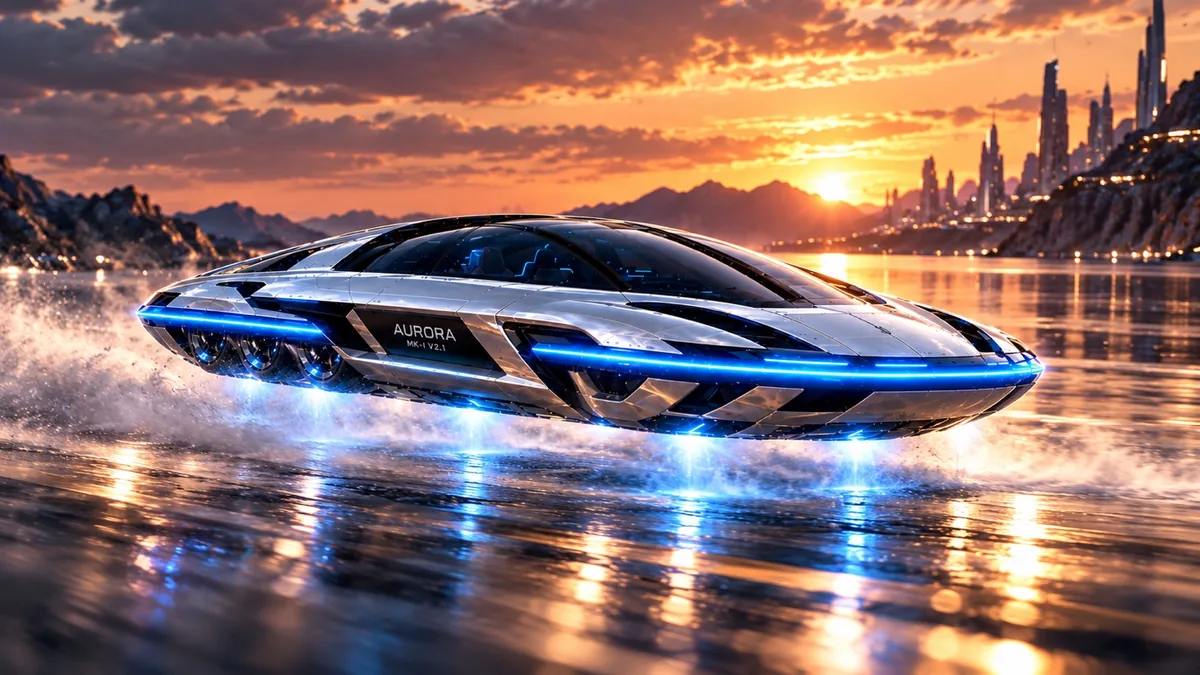 NEW / MODULE 05 · TWELVE-WEEK TEACHING LAB
Test the physics behind guideway magnetism, water displacement, air-cushion support and aerodynamic lift. Includes four calculators, a mission game, a thesis and a research notebook.
At each step you can use a gentle spoken explanation, a visual activity and a quick check. There are no forced timers, no automatic audio, and no need to enter your real name.
Teacher guide and source library →Describe something observable and separate the question from the prediction.
Use a diagram or calculation with assumptions, units and limitations.
Choose a low-energy, supervised activity or public dataset.
Record what happened and what still needs independent review.
These are fictional Quest Club role personalities, not recordings of real family members. Select a character and preview a calm voice using your device’s available speech options.
The calm lead navigator. Encourages careful experiments and brave questions.
Design thinking, building sketches and thoughtful creativity.
Big questions, gentle observation and exploring the unknown.
History, scientific storytelling and keeping a clear research record.
Numbers, units and a reassuring way to work through calculations.
Wonder, encouragement and beginner-friendly explanations.
Water can float a hull. An air cushion can support a near-surface hovercraft. Magnets can work over a purpose-built guideway. High-altitude flight requires a separate demonstrated mechanism. Test each truth before combining them.
Educational simulations only. No human-rated flight, submarine operations, or untested gravity-cancellation claims.
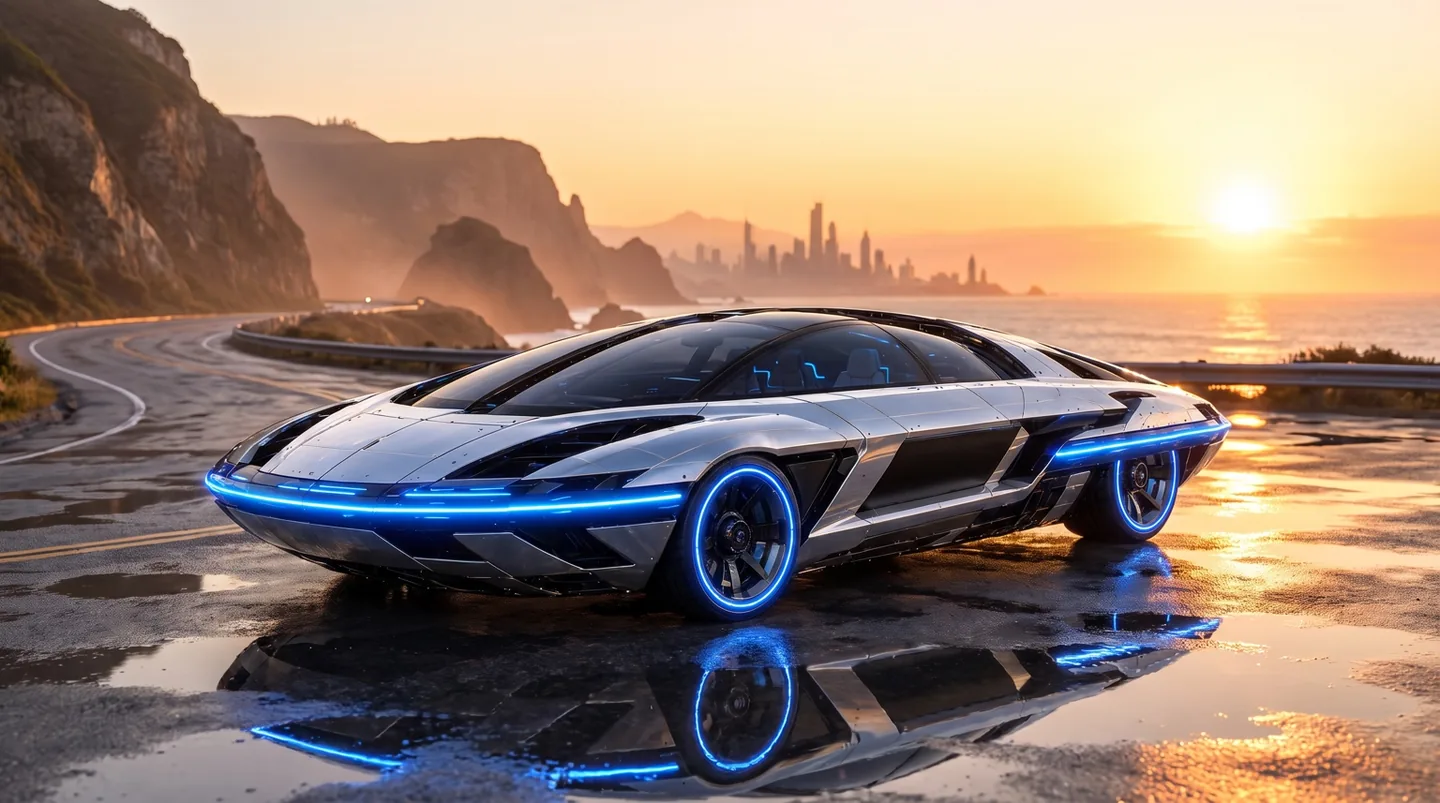 CONCEPT VEHICLE / NOT TEST DATA
Gravity, energy, radiation, lunar environments and controlled plant-growth experiments. A source-linked atlas for older learners, teachers and research discussions.
Leah Paige, age 14, is credited by AHF for helping with Aurora concept development and early research. We also appreciate the families, educators and community supporters who make youth learning possible. This recognition does not imply school or university sponsorship or technical validation.
Read the community acknowledgements →